
Don’t You Forget About Impact: What John Hughes-and a Ferrari on Lake Shore Drive-taught me about leadership
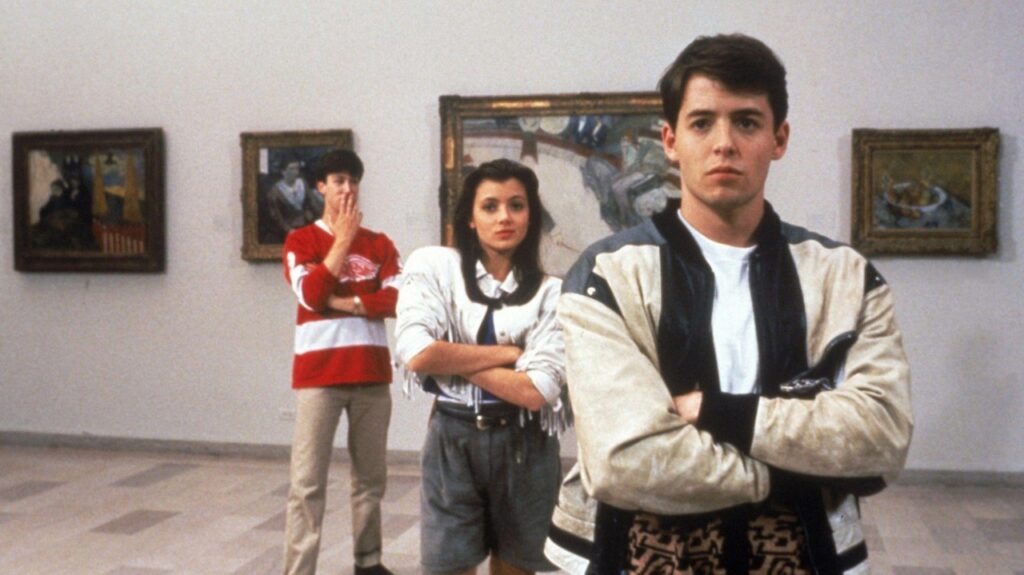
“My neighbor created Ferris Bueller. I brought it up way more than he wanted me to.”
One of my neighbors in Lake Forest was John Hughes. Yes… that John Hughes.
The creative mind behind Ferris Bueller’s Day Off, Sixteen Candles, The Breakfast Club, and Home Alone—movies that somehow nailed exactly what it felt like to grow up in the suburbs.
My suburb. No pressure.
And the strange part? He absolutely hated talking about it. Which was unfortunate for him… because I really enjoyed bringing it up.
What I remember most about my conversations with John isn’t Hollywood. It’s the irony. Here was someone who defined a generation—and wanted no part of the spotlight. At cocktail parties, he’d quietly position himself near the exit, like a guy who had already run the numbers and decided small talk wasn’t a high-return activity.
Meanwhile I’m thinking, You created Ferris Bueller… and you’re trying to stay under the radar?
We’d laugh about things like Billy Idol passing on “Don’t You (Forget About Me)” (an all-time miss), actors who almost landed iconic roles, and the unintended cultural impact his films had on millions of people he would never meet.
I doubt I was the first person to tell him this—but I made sure I wasn’t the last. Those movies mattered. Let’s be honest—at least one scene just popped into your head. (If it didn’t, we may need to revisit your childhood.)
TMI Alert: I watched The Breakfast Club on Laserdisc with my now-wife after sneaking in through her window the night before I took the ACT my sophomore year.
Not exactly a best practice. But high ROI on memory.
And that’s when something clicked for me. John Hughes created something that lasted. Not because he chased legacy—But because he focused on impact.
That word gets thrown around a lot in business. Usually right after “synergy” and right before everyone checks their phone. But what does it actually mean?
When I think about the 15 years I spent leading Sheridan Road Financial, one word comes to mind: Impact.
Helping almost one million retirement plan participants and 3,500 private wealth clients make better financial decisions. Building a culture that was relentlessly solutions-driven. Educating families on financial wellness before it became a buzzword.
Adopting technology early—sometimes early enough that people looked at us like we had three heads. We were launching CITs when half the industry was still asking, “Wait… what does that stand for again?”
Every once in a while, I still run into someone who was a Sheridan Road client who says, “Hey—you guys really helped me.”
That feeling? Hard to replicate.
It’s a little like driving Cameron’s dad’s Ferrari down Lake Shore Drive. You probably shouldn’t do it. There’s definitely risk involved. But you’re really glad you did.
Leadership, at its core, is about exactly that. Setting a vision. Building a strategy. Assembling the right team. Creating a culture that actually means something. And ultimately—Building something that continues to make a difference long after you’re no longer in the room.
At one point, Sheridan Road became the #4 most recognized brand in our industry—behind names like CapTrust and SageView.
Which sounds impressive. And it is. But it’s not the point. The point was never the ranking. The point was the impact.
So, if you’re sitting in a boardroom right now trying to define your strategy using the latest McKinsey buzzword of the quarter…Let me save you a few billable hours. The name of the game isn’t synergy.
It’s impact.
It’s walking into a room proud of the team you represent. It’s knowing the work you do actually improves someone’s life. It’s building something people remember long after the meeting ends.
I’m not Ferris Bueller. But I was lucky enough to know the guy who created him—and he understood something most people miss: Impact doesn’t need attention.
Either way—Don’t you forget about the impact you make.
Because long after the meeting ends—and the slide deck is forgotten—impact is what people remember.